Featured Image: Northern Mockingbird at Newground; credit: Natalie Olson, Sea Islands Program Director
Lowcountry Land Trust is proud to announce the permanent protection of Newground, a working farm spanning 58 acres on Wadmalaw Island. The conservation easement reinforces ongoing efforts to conserve the region’s rural character, agricultural legacy, and natural resources.
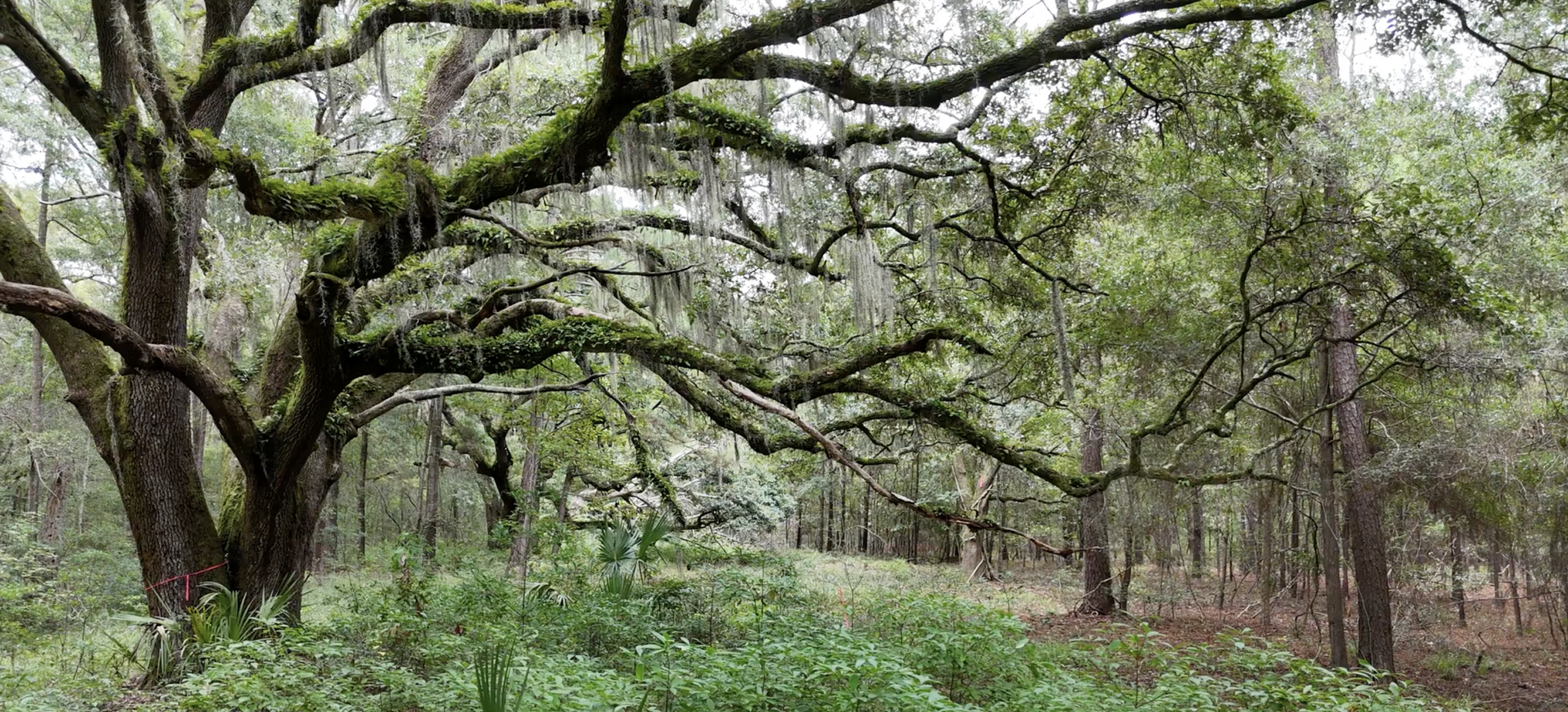
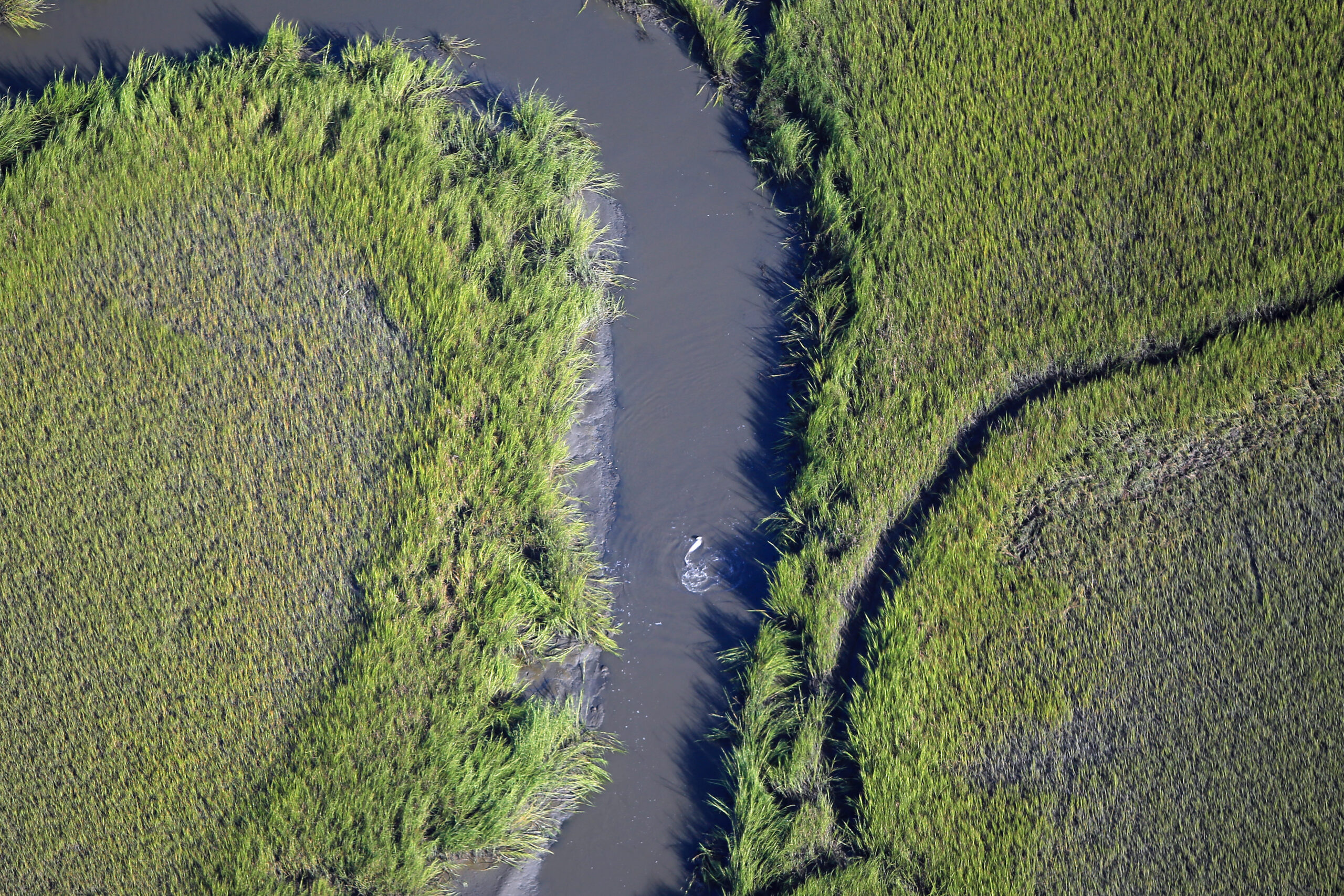
Newground adds to 9,069 acres of protected lands on Wadmalaw Island, further strengthening a connected network of conservation easements totaling 34% of the island’s land mass. The site also sits directly across from the historic Nine Mile Fork Rosenwald School, preserving the broader cultural landscape that defines the area. Located along Bears Bluff Road, with approximately 1,900 feet of road frontage, the property is a highly visible and ecologically valuable landscape. The land has historically supported robust farm production, including strawberries and corn, and is currently leased to a farmer who grows corn for the local livestock feed market.
“Farmland is the lifeblood of the Lowcountry,” said Natalie Olson, Sea Islands program director at Lowcountry Land Trust. “Working land like Newground feeds the community, supports wildlife, recharges groundwater, and helps filter our air and water. Thanks to the landowner and the South Carolina Conservation Bank, Newground is protected from development forever.”
In partnership with landowner Lewis Hay, a former Lowcountry Land Trust board member and employee who has championed multiple conservation efforts on Wadmalaw Island, the project was completed through a bargain-sale conservation easement funded by the South Carolina Conservation Bank. Lowcountry Land Trust and the South Carolina Conservation Bank are eager to collaborate with landowners to support ongoing conservation efforts.
As development pressures continue across coastal South Carolina, protecting working farms like Newground is critical to maintaining the character of the Sea Islands while supporting local food systems and environmental resilience. The project reflects Lowcountry Land Trust’s broader mission to partner with landowners and communities to protect lands that are essential to the region’s identity and long-term well-being.