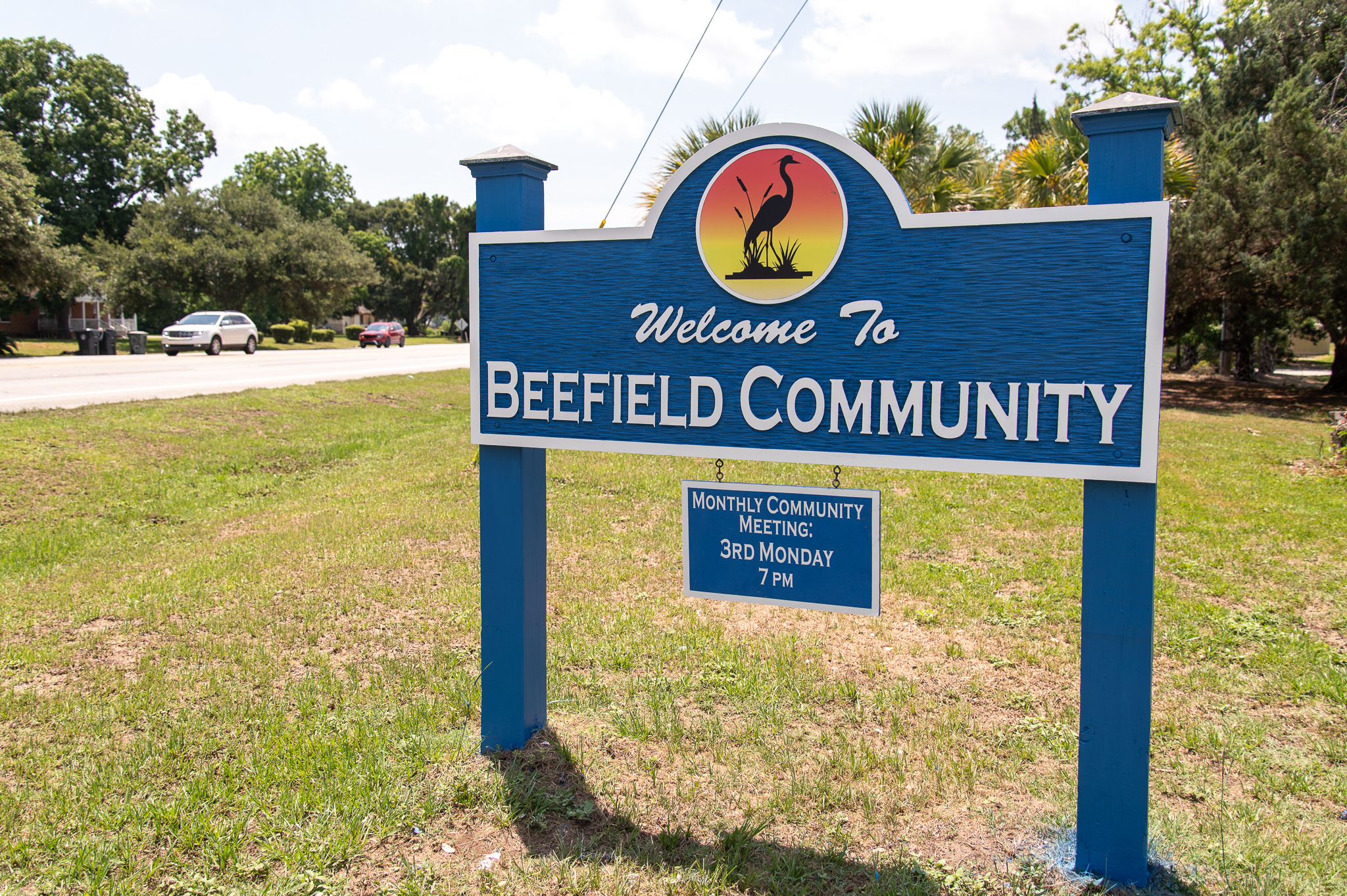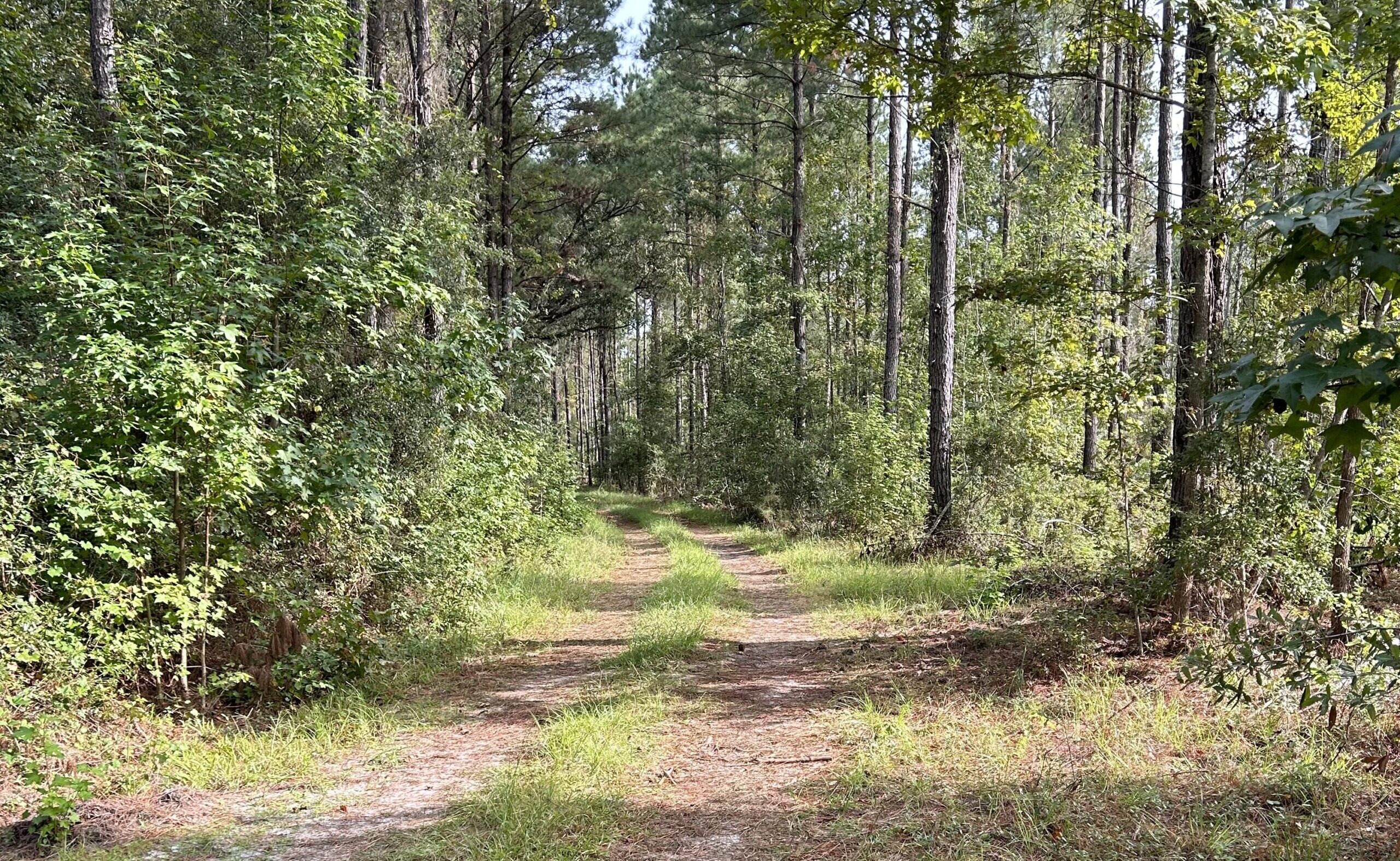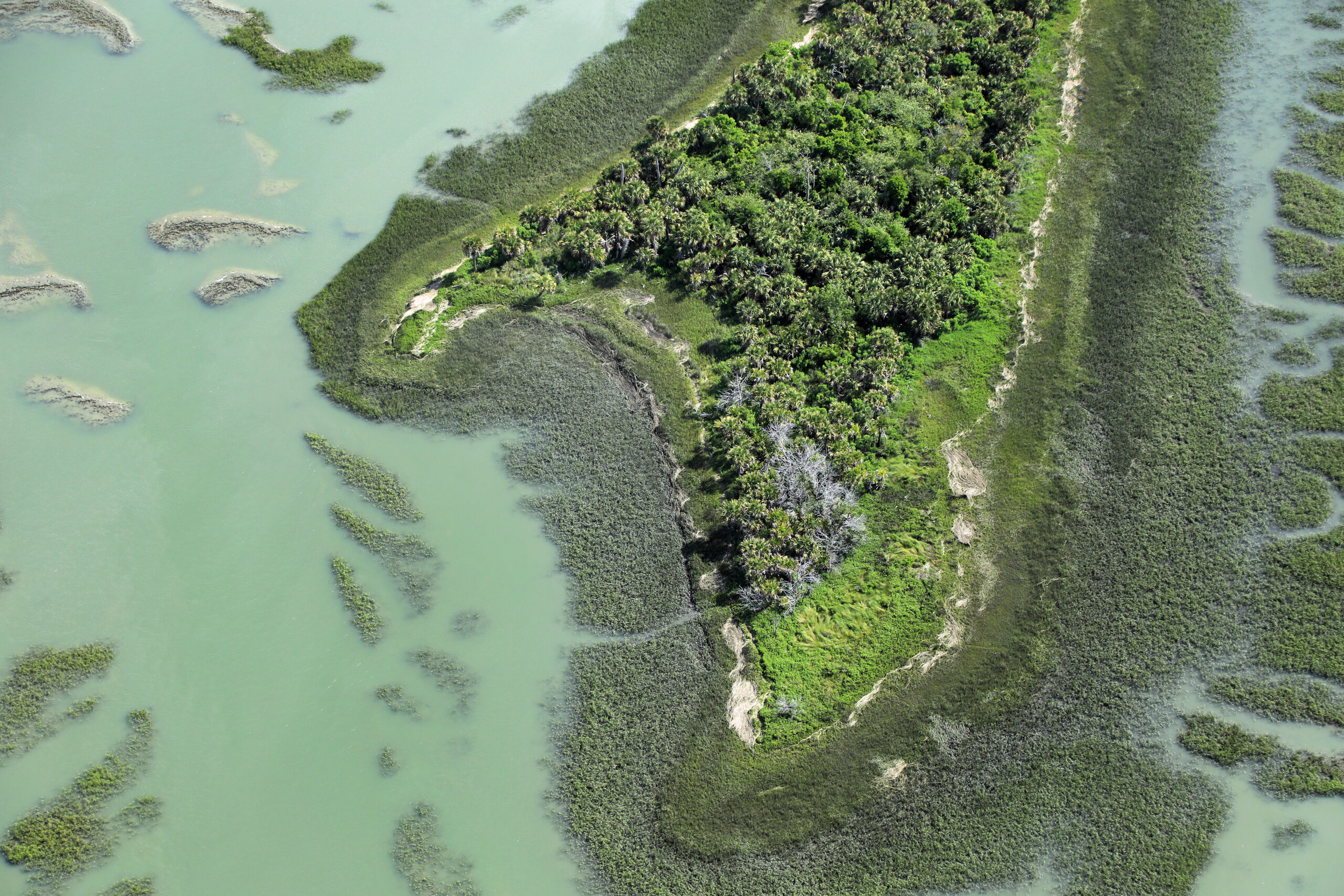
In 2023, Lowcountry Land Trust introduced the Beefield Community Park, an initiative led by the Battery Island Drive Neighborhood Association (BIDNA) in the historic Beefield settlement community on James Island. Lowcountry Land Trust is actively supporting residents in their long-term use and stewardship of the undeveloped, formerly threatened 4-acre parcel, which will soon become a publicly accessible park and community green space.
The Beefield Community, located along Folly Road on James Island, holds significant historic, cultural, and natural value, encompassing part of the core area of two Civil War battles and connecting to the legacy of the 54th Massachusetts Infantry Regiment. Strong partnerships with BIDNA and the residents of Beefield, along with funding from the South Carolina Conservation Bank and the Charleston County Greenbelt Program, made Lowcountry Land Trust’s 2023 acquisition and protection of the tract a successful first step in the overall project.
Today, partners are excited to share that, through collaborative planning and robust community involvement, the Beefield Community Park initiative has made strides forward in not only the technical planning and implementation of the park and its intentional features, but in fostering a sense of stewardship and excitement within the community that spans far beyond the 4-acre site. It is a testament to the power of a historic, determined community committed to perpetually representing its history, culture, and conservation values.
Thanks to extensive input from a series of workshops and engagement events with residents in 2024, as well as significant funding from The Conservation Alliance’s Confluence Program, the Beefield Community Park Master Plan was finalized as a guiding document to fulfill top requests that affirm and enhance residents’ historic use of the land. Elements like looping trails, a nature play area, and a large grass area will enhance the recreation opportunities for residents, and additions like a building and picnic area for gatherings, a community garden and food forest, as well as memorials and signage acknowledging the land’s Gullah/Geechee and Civil War history, will add educational context and create more opportunities for multi-generational engagement. Project partners, including BIDNA, Biohabitats, and Lowcountry Land Trust, also identified the need to address the rapid spread of invasive plant species to properly implement the park enhancements, and are now working to prioritize their removal and promote the growth of existing native plants, expanding public health and resiliency benefits.
BIDNA took action by hosting ongoing cleanup events throughout 2025, and volunteers from the Beefield Community, as well as the larger Charleston community, stepped up to donate their efforts to invasive plant removal and cleanup events within and beyond the 4-acre parcel. Partnerships with a range of local organizations, including Keep Charleston Beautiful, Charleston Surfrider, and Charleston Waterkeeper, resulted in over 250 volunteers dedicating their time to the Beefield Community Park site. Fueled by their own community’s commitment, BIDNA is now working towards a broader Beefield Community revitalization initiative, encouraging residents to beautify their homes and backyards through gardening, native plants, and additional neighborhood cleanup efforts.
The Beefield Community is an inspiring example of the intersection of collective action and conservation strategy, poised to not only inspire future generations at the park itself but also to further the conservation and enhancement of other tracts, big or small, with historical, ecological, and/or cultural significance. The protection, maintenance, and ongoing efforts at this 4-acre site continue to expose more people to the benefits of land protection and stewardship, creating a model for strengthening the community conservation movement in the long term.
In our continued partnership, Lowcountry Land Trust is honored to support the Beefield Community in their park creation and community revitalization initiatives. Upon completion of the park’s implementation, the Land Trust will confidently transfer the ownership of the property to BIDNA to steward and manage as a publicly accessible, community-owned green space.