For more than two decades, Charleston County’s Greenbelt Program has quietly but powerfully shaped the region, protecting treasured landscapes, conserving water and wildlife, and enhancing overall resilience and quality of life across the Lowcountry. As Charleston County leaders discuss future greenbelt funding in the coming weeks, this is a natural moment to reflect with gratitude on what this visionary program has achieved in our community, and why it continues to matter so deeply to residents across the Lowcountry.
History and Success
The Charleston County Greenbelt Program began in 2004, when voters overwhelmingly approved a half-cent transportation sales tax referendum that set aside funds for greenspace conservation, alongside infrastructure and transit needs. After extensive public input and analysis, the Comprehensive Greenbelt Plan was finalized in 2006 and adopted into the County’s Comprehensive Land Use Plan. The same plan identified and defined the Urban Growth Boundary as a means of managing growth by directing development to areas with existing infrastructure and limiting it in rural areas by protecting land, maintaining area resiliency.
Funds from the first referendum, and its subsequent 2016 renewal, have supported strategic land protection along the coast. To date, the program has protected nearly 28,000 acres within Charleston County, supporting hundreds of conservation projects directly. Leveraging strong financial matches from landowners and community partners, greenbelt funding has proven to multiply every dollar for the greatest impact. Additionally, according to a recent Post & Courier editorial, “Charleston County’s greenbelt program has leveraged more than $200 million in other governmental and private investment,” —a nod to the federal, state, and private funding that comes to match these local dollars, such as the impactful South Carolina Conservation Bank.
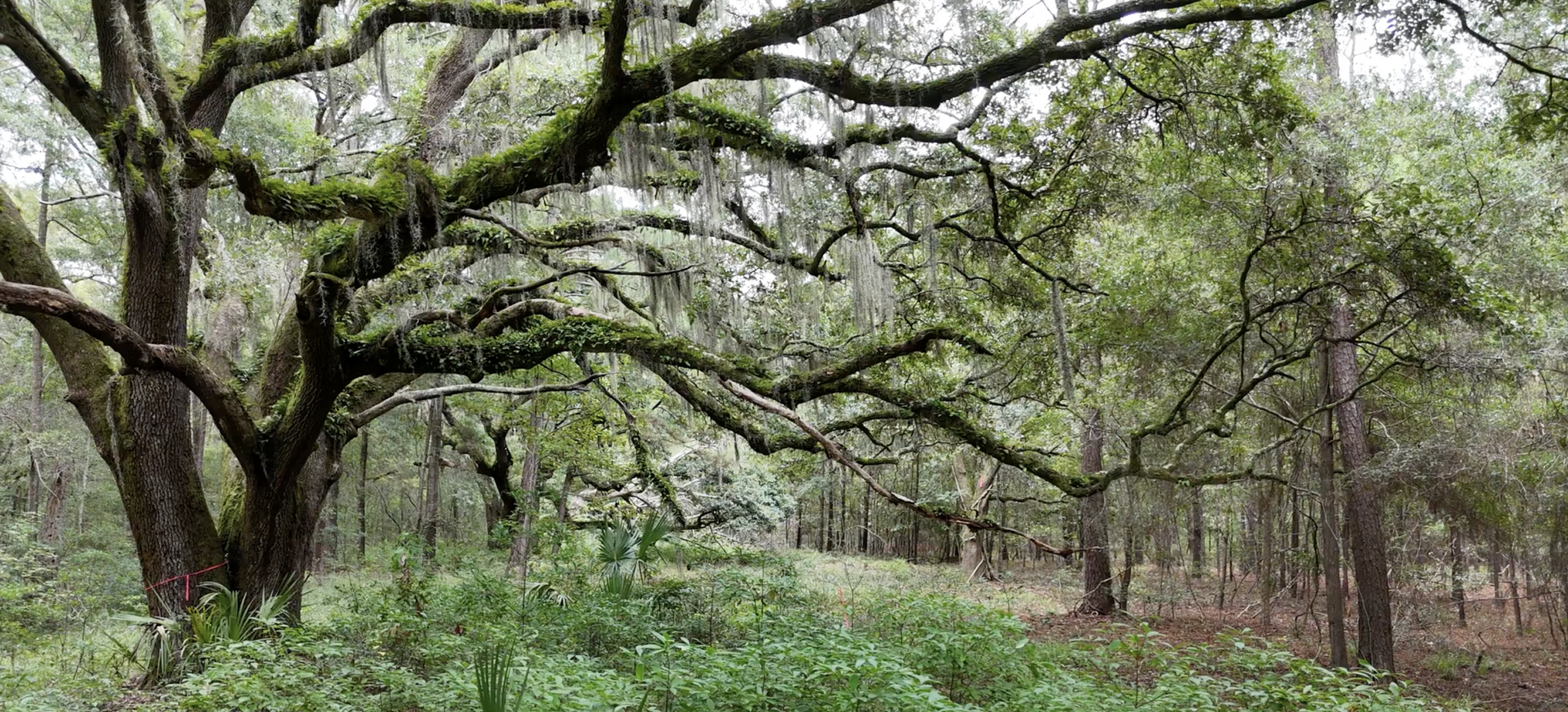
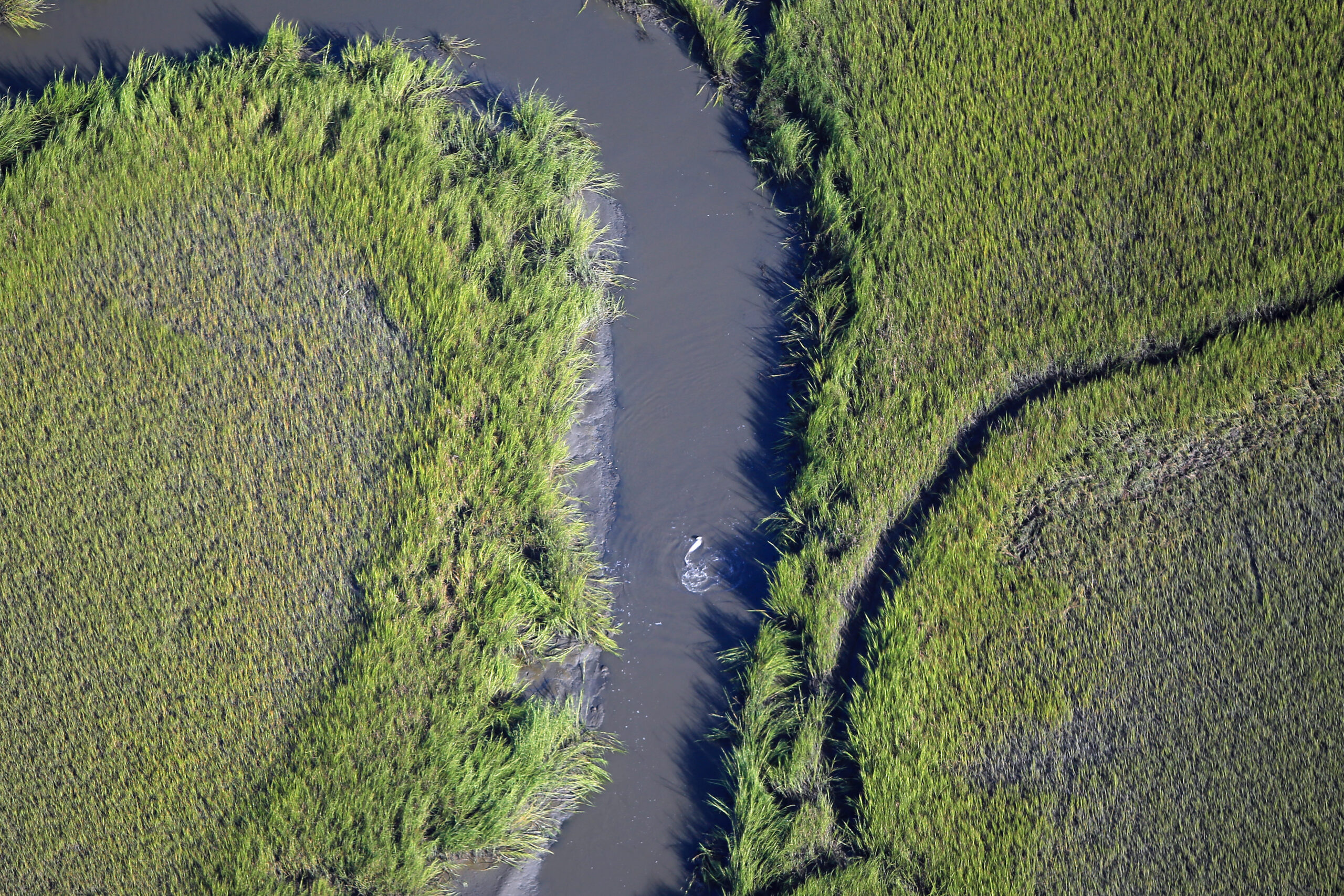
The landscapes permanently protected by greenbelt programs all have public benefit, and in most cases, provide public access to forests, historic sites, natural landmarks, trails, waterways, wetlands, wildlife habitat, and working farms. Lowcountry Land Trust is proud to be a conservation partner in the Charleston County Greenbelt Program’s story. Since its adoption, the Land Trust and its collaborators have completed 60 Greenbelt-funded projects that protect vital landscapes throughout Charleston County. Its widespread success and popularity have also served as a model for other regional counties. A full map visually celebrating what’s been secured together can be viewed below, but recent, Greenbelt-supported highlights include:
- Holly Grove at Caw Caw: Added 35 acres to CCPRC’s Interpretive Center, improving public water access and exploration, vital habitat protection, and even the safety of cyclists, runners, and walkers along the 3,000-mile East Coast Greenway.
- Angel Oak Preserve: Protected maritime forest and wetlands on Johns Island that safeguard the iconic Angel Oak, conserve its surrounding biodiverse habitat, and will create a living museum to share untold stories and invite learning through place.
- Beefield Community Park: Enabled a historic settlement community’s continued use of a four-acre property, while transforming it into a dynamic park center for community gathering, environmental education, and cultural celebration.
- Boone Hall Plantation: Placed a conservation easement on 600 acres in the heart of Mount Pleasant, preserving a historic site with working farmland, forests, and creek frontage, and ensuring conservation and cultural education are offered in perpetuity.
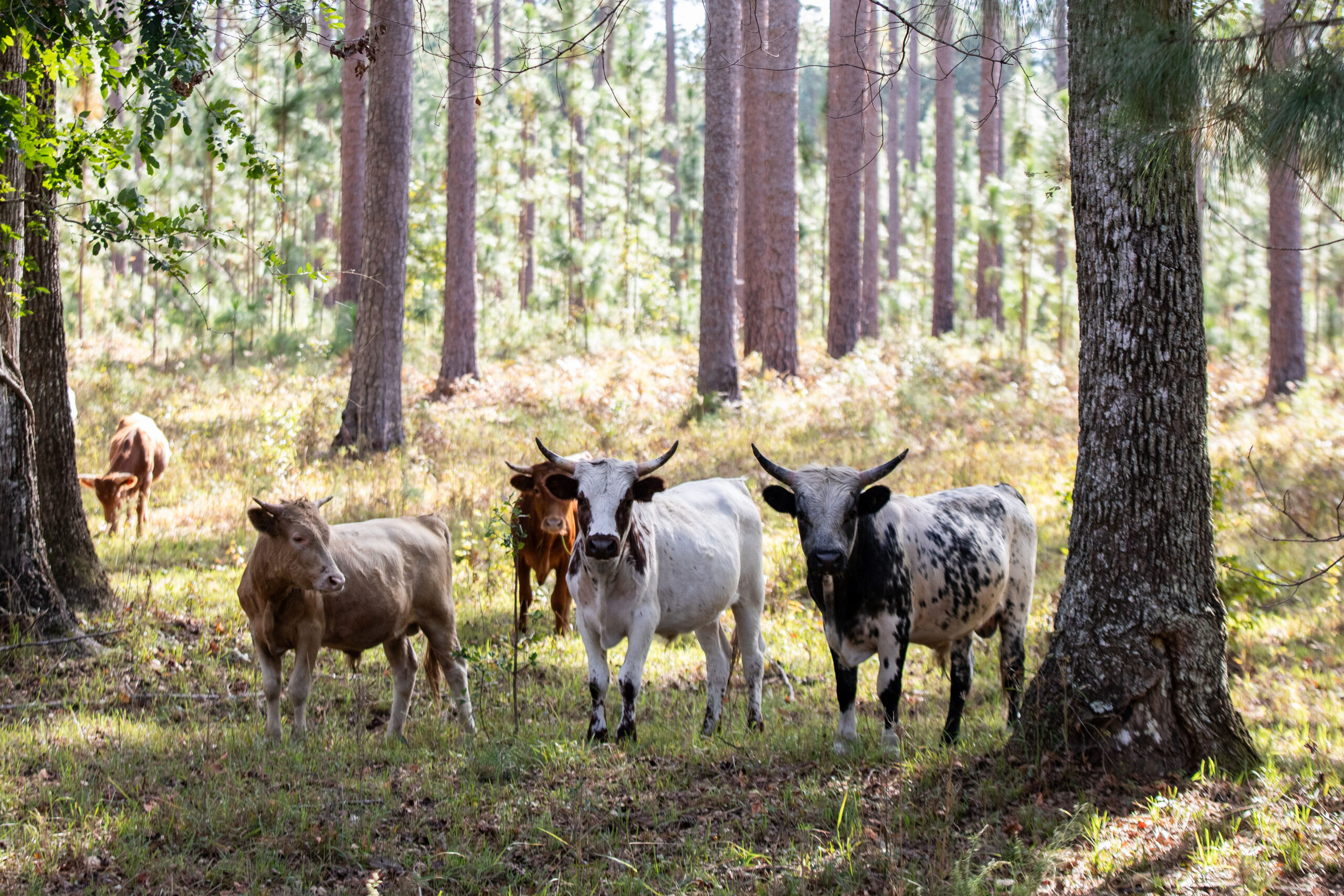
- Thornhill Farm: Provided public accessibility to a working farm that maintains rural character, supports local agriculture, and creates connective conservation landscapes near the Francis Marion National Forest.

Why It Matters
Protecting land isn’t just about setting aside open space for outstanding recreation, historic education, and cultural interpretation opportunities for all. It’s also about securing the natural systems and resources that define the Lowcountry’s resilience and quality of life. From upstream drinking water supplies to flood-absorbing wetlands and food-producing working farms to scenic rural roads. Conservation delivers benefits that we feel every day.
Additionally, land protection plays a crucial role in growth and transportation planning. By conserving land in strategic rural areas, reinforcing existing infrastructure, and enhancing transit, we reduce sprawling development, lessen the need for costly new roads, and help focus investment where it’s most effective. Unlike road building, which can take time and necessary permitting, conservation can show tangible results more quickly, those that are visible, permanent, and treasured by the public.
Local and state leaders continue to affirm these principles. As one recent editorial shares, Councilman Kylon Middleton believes that the greenbelt program “remains one of Charleston County’s greatest success stories, protecting the natural landscapes that define our region while expanding opportunities for residents to enjoy them.” Another notes that Mount Pleasant Mayor Will Haynie thinks “Multi-modal transportation should be a key component [of the sales tax continuation] along with adequate funding for green space that is greater than 20 percent of the total funding.” City of Charleston Director of Parks Jason Kronsberg shared in a televised interview that, “Not only are we preserving land in this case, but we’re reducing the need for future infrastructure.” Even Governor Henry McMaster, who seeks to conserve 10 million acres, or 50% of the state, noted in his 2025 State of the State address, that, “South Carolina’s future prosperity requires us to enhance our efforts to respect and protect our land, our history, our culture and our environment.”
Help us Celebrate
In this celebratory yet critical time for continued Greenbelt investments, Lowcountry Land Trust encourages Charleston County residents to express appreciation for their Council representative’s leadership in land conservation. Taking a moment to share a short note of thanks for their support of the Charleston County Greenbelt Program goes a long way in affirming that the community values the protection and enhancement of our landscapes, waterways, and thereby resilience and quality of life.
Find your Council District and leaders’ contact information using the map and information below.