


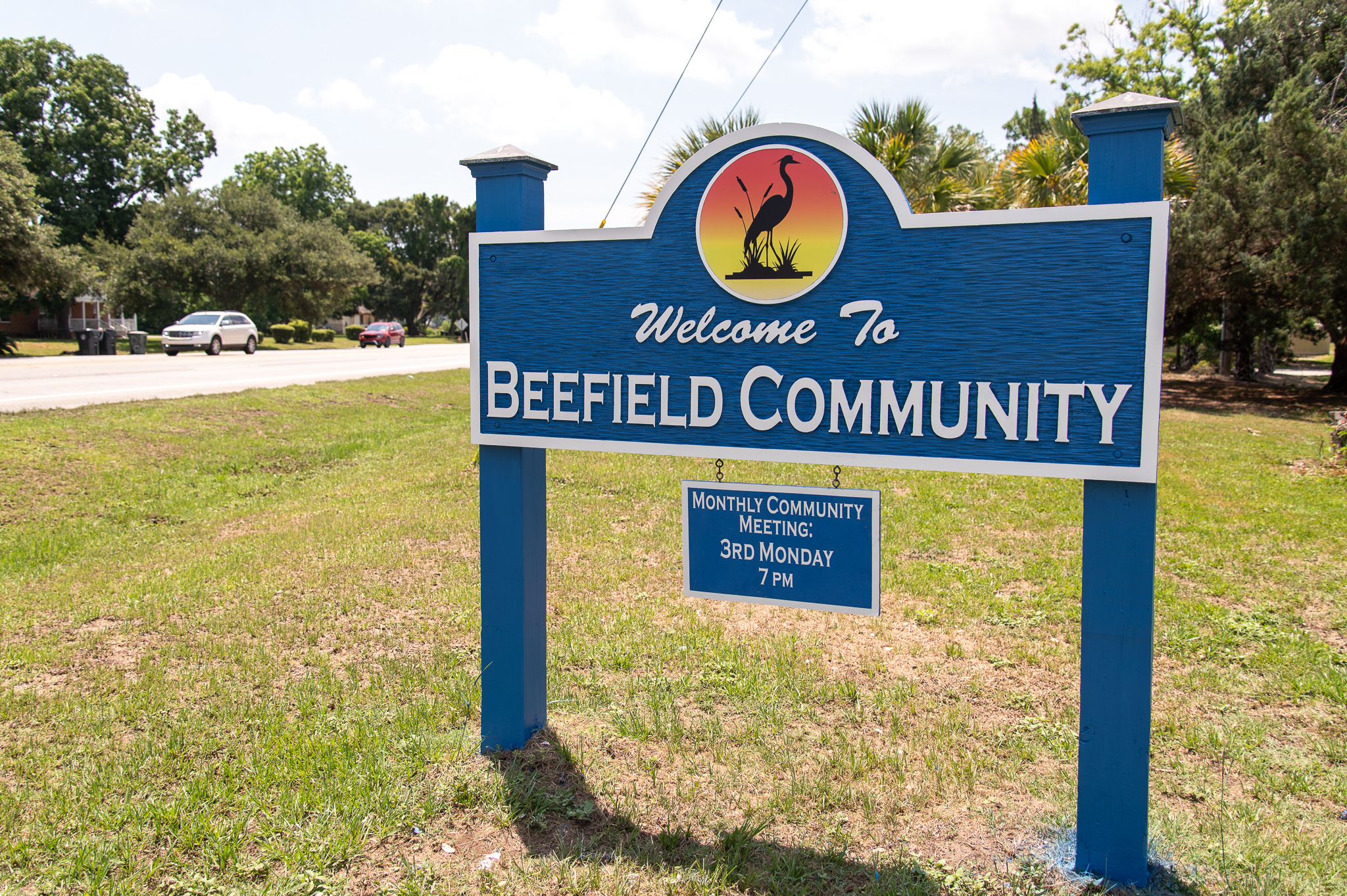
Collective Action and Conservation Strategy at Beefield Community Park
In 2023, Lowcountry Land Trust introduced the Beefield Community Park, an initiative led by the Battery...
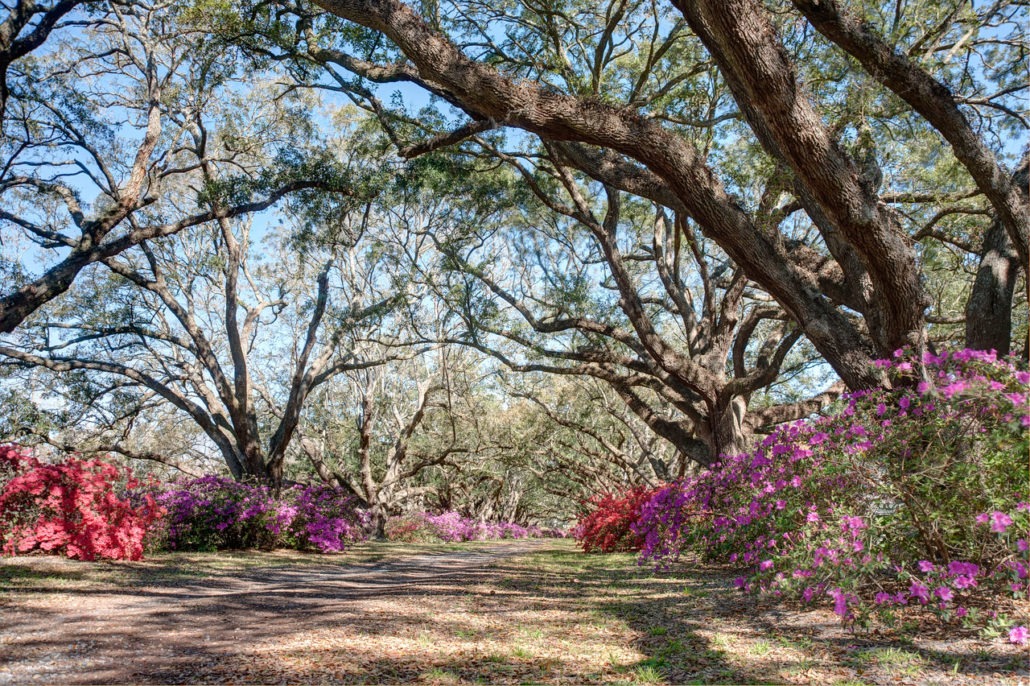
Avenue of Oaks Park
Lowcountry Land Trust accepted this land donation from Crescent Homes in 2018. The “Avenue of Oaks Park”...
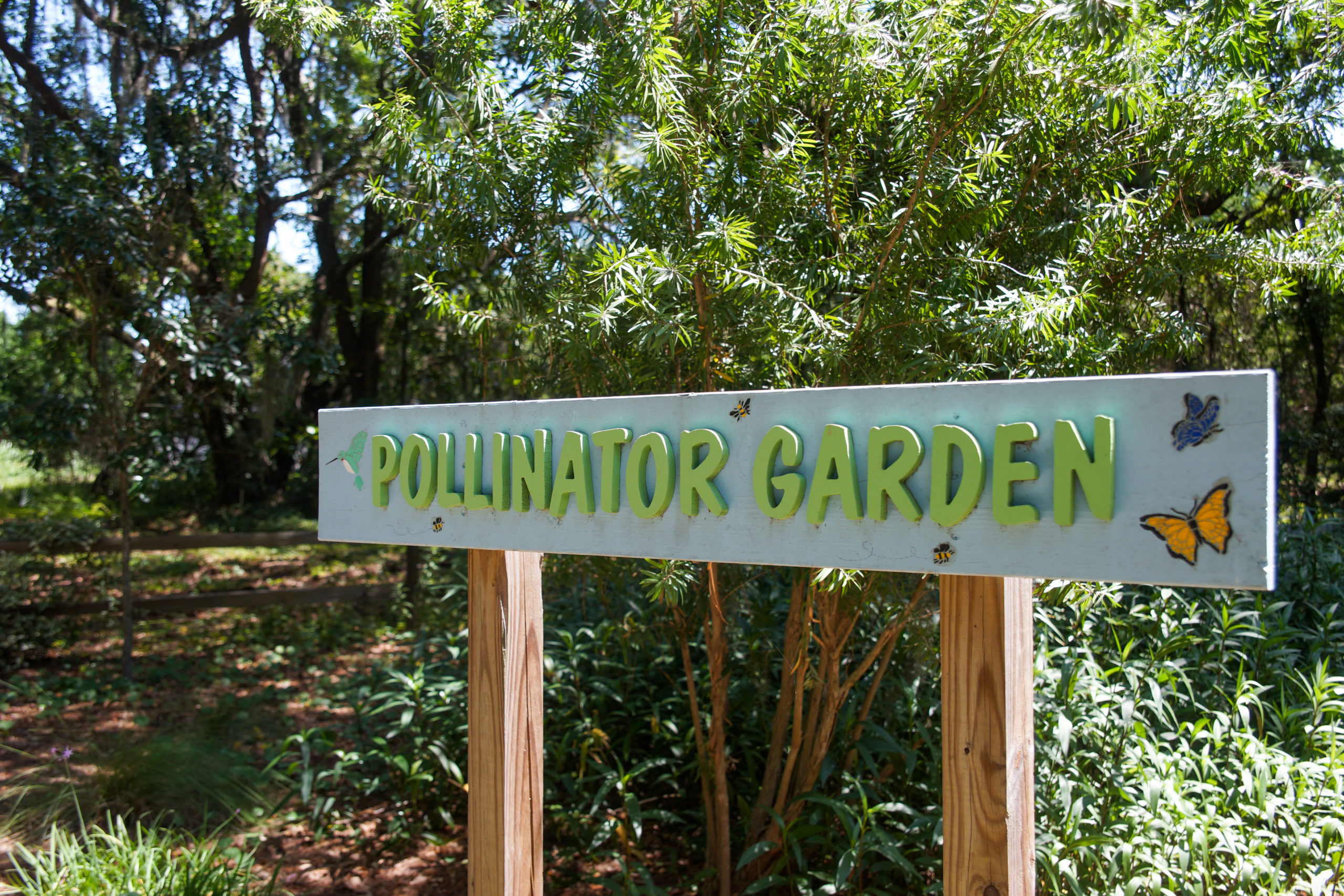
Marsh View Trail & Pollinator Garden
Marsh View Trail transitions from southern pines into maritime forests with large oaks and rewarding...
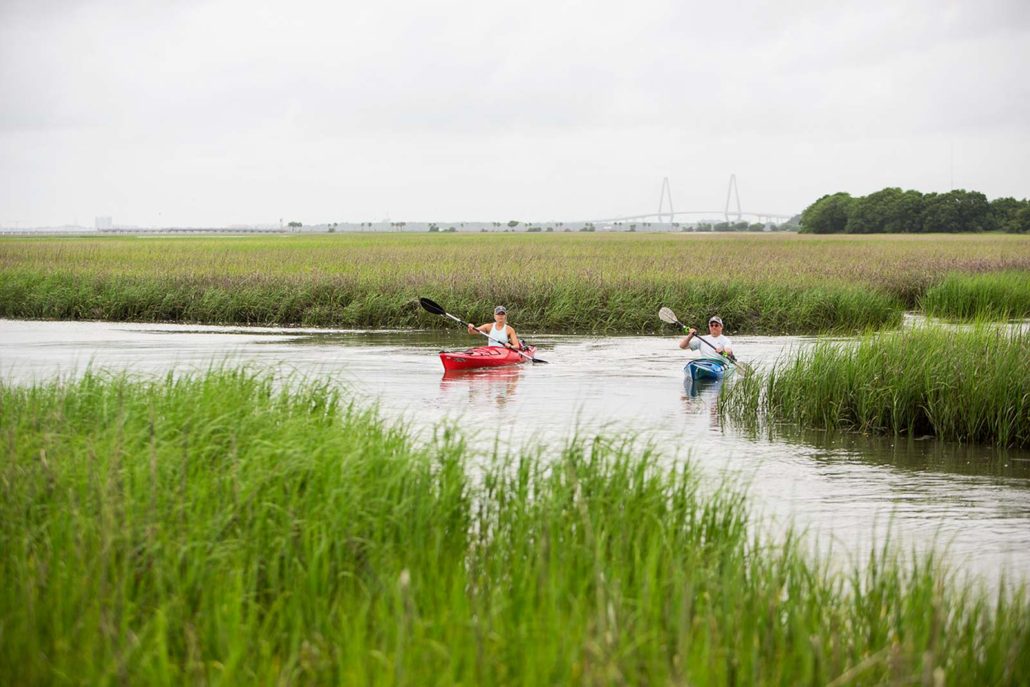
Station 19
This 3.1-acre property is permanently protected and serves as both a public green space and an access...
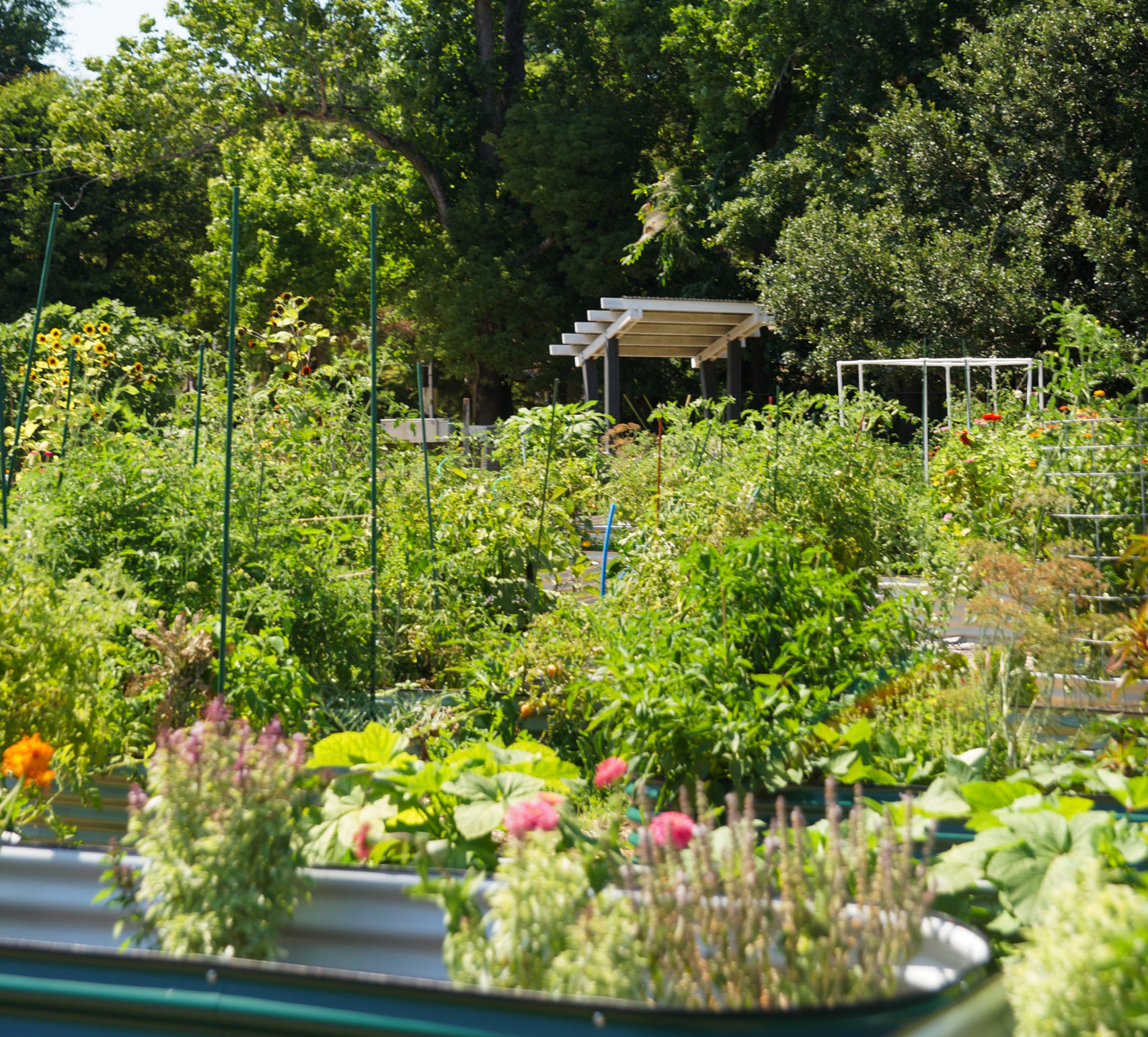
Magnolia Park & Community Garden
The 3.7-acre property known as Magnolia Park and Community Garden is located in West Ashley and is a...
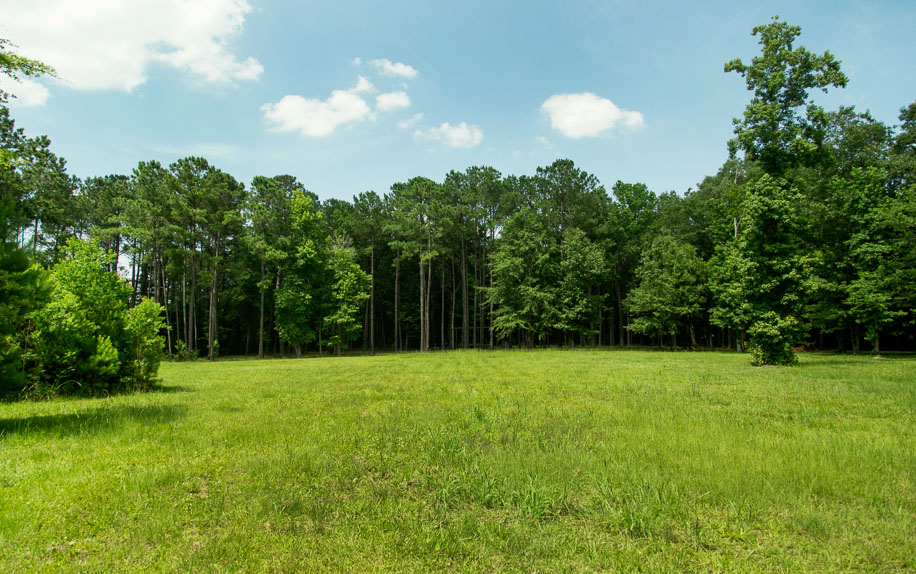
Phillips Community
This 3.84-acre wooded lot was purchased through the Charleston County Urban Greenbelt Program and ownership...
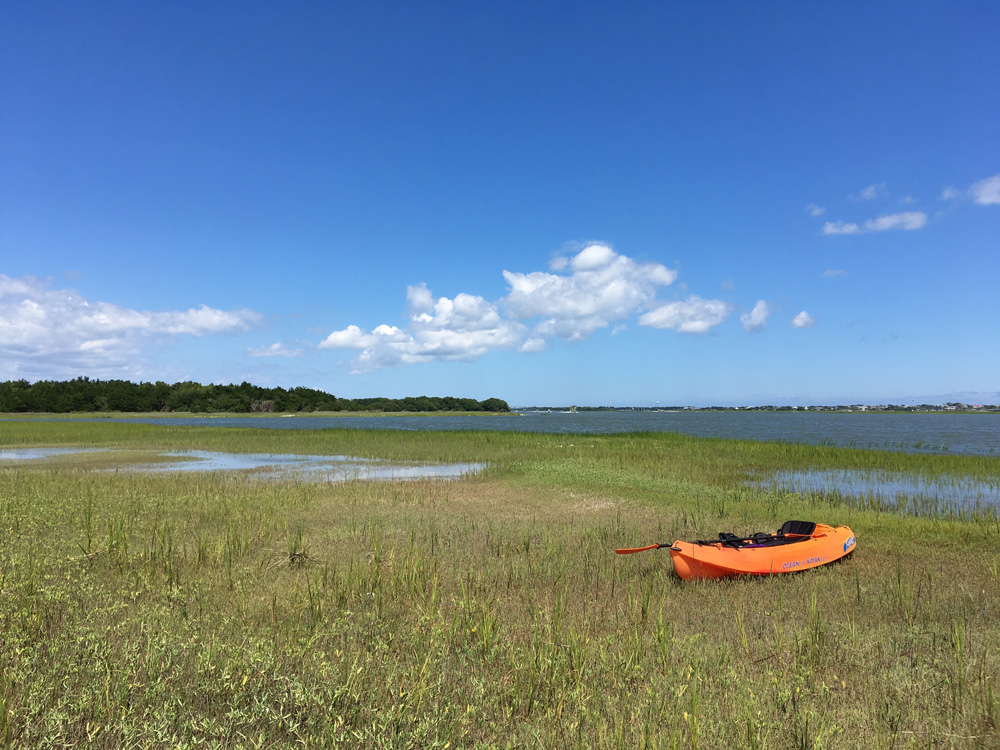
Conch Creek Island
Lowcountry Land Trust purchased 398 acres between Mount Pleasant and Sullivan’s Island, called Conch...

Candy's Cove at Shemwood II
In January 2013 the Town of Mount Pleasant transferred title of this 2-acre wooded lot to the Shemwood...