Earlier this year, Lowcountry Land Trust celebrated the lasting impact of Charleston County’s Greenbelt Program and the many landscapes it has helped protect across our region. From historic farms and natural waterways to parks and community gathering places, these County investments have shaped the Lowcountry we know and love.
Now, we are looking ahead. With conservation partners, Lowcountry Land Trust has identified projects and goals that necessitate the continuation of Greenbelt funding. Land conservation is an essential part of any successful sales tax proposal: we must continue to adequately fund the Greenbelt Program at 20% in 2026.
County leaders are once again gathering public input on a proposed extension of the county’s transportation sales tax program—the program funds major infrastructure investments, from road improvements and transit to bicycle and pedestrian safety. The draft proposal also includes continued funding for the Greenbelt Program, our local land protection program. Community feedback will help shape the final proposal, making this an important moment for residents to share their perspectives.

Conservation Is Part of the Transportation Solution
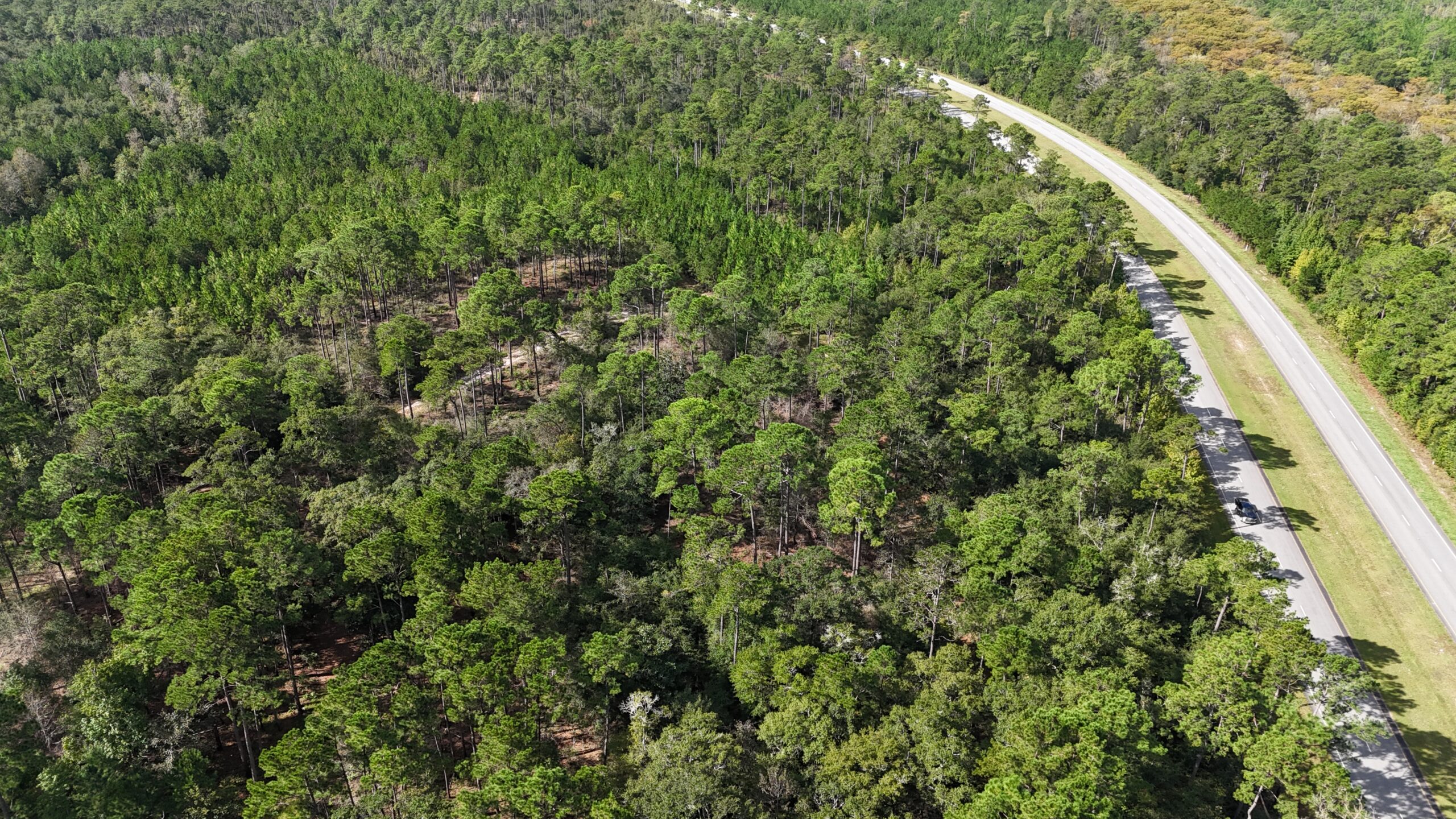
At first glance, land conservation and transportation may seem like separate issues. In a rapidly growing region like ours, however, they are closely connected. Protecting farms, forests, and open space, especially along the rural edges of our communities, helps guide growth toward areas that already have infrastructure. When working lands remain farms and forests rather than becoming large-scale developments, communities avoid the need to extend new roads, utilities, and services farther into rural areas. In this way, land protection can help reduce future congestion and lower the long-term costs of infrastructure.
Recent conservation successes demonstrate how this approach works in practice. Projects like Grayson Oaks on Johns Island and the Sea Islands’ Small Farmers Cooperative in Hollywood help keep agricultural land in production while limiting development pressure. Protecting places like these supports local farmers and residents’ food supply, while helping manage growth responsibly.
Protecting What Makes the Lowcountry Home
For many people, the places protected through the Greenbelt Program represent the heart of the Lowcountry experience. They include working cultural landscapes like Boone Hall, where agriculture continues to play a central role in the region’s history. They include community spaces like Beefield Community Park, where neighbors gather outdoors and have a strong connection with the land. And they include special places such as Coakley Chapel Park, where conservation helps protect prayer houses while providing access to nature.
Across the county, protected lands also safeguard wetlands, wildlife habitat, and waterways like the Stono River, places where residents and visitors fish, paddle, and enjoy the outdoors. These landscapes protect more than acres of land. They help preserve our shared sense of place: the live oak canopies, clean rivers and creeks, working farms, and open spaces that define life in coastal South Carolina.
Land conservation also helps ensure transportation investments go where they are most needed. By protecting rural landscapes from large-scale development, communities can focus on infrastructure improvements in places where people already live and work. That allows counties to prioritize safer roads, improved traffic flow, and expanded options for walking, biking, and transit. This balanced approach helps Charleston County grow thoughtfully while protecting the landscapes that sustain our quality of life.

A Proven Program with Broad Community Support (And Your Feedback Requested!)
For more than two decades, the Greenbelt Program, when adequately funded at around 20% of total tax collected, has helped conserve thousands of acres across Charleston County. These projects have been made possible through strong partnerships with landowners, municipalities, and conservation organizations, and by leveraging significant matching funds from state, federal, and private partners. The result is a track record of conservation success that reflects the shared priorities of residents across the county at a better value for the Charleston taxpayer.
Now, the County is seeking additional public feedback on the proposed Transportation Sales Tax program, which will shape transportation and conservation investments for the next 25 years. If you live, work, or spend time in Charleston County, we encourage you to review the proposal and share your perspective. Community voices will help guide the future of transportation, conservation, and quality of life in the Lowcountry.